

In the world of craft cocktails, sweetness often steals the spotlight. Yet some of the most sophisticated and memorable drinks owe their complexity to a less celebrated flavor: bitterness. From the iconic Negroni to contemporary creations at Singapore’s best cocktail bars, understanding bitterness transforms how you appreciate and order cocktails.
Why Bitterness Matters
Bitterness serves as the counterbalance that prevents cocktails from becoming one-dimensional sugar bombs. According to taste research from Monell Chemical Senses Center, humans have evolved to detect bitter compounds as a protective mechanism—many toxic substances taste bitter. Yet when controlled and balanced, bitterness adds depth, complexity, and sophistication to beverages.
In cocktails, bitterness performs several crucial functions:
Creates Balance: Bitter elements offset sweetness and richness, preventing palate fatigue.
Adds Complexity: Bitter compounds introduce multiple flavor layers that evolve as you sip.
Enhances Other Flavors: Bitterness can make sweet elements taste sweeter and aromatic components more pronounced through contrast.
Aids Digestion: Many bitter ingredients contain compounds that stimulate digestive processes, which is why aperitifs and digestifs traditionally feature bitter elements.
Sources of Bitterness in Cocktails
Understanding where bitterness comes from helps you anticipate and appreciate it in different drinks.
Amari and Bitter Liqueurs
Italian amari (plural of amaro, meaning “bitter”) represents perhaps the most concentrated source of cocktail bitterness. These herbal liqueurs range from intensely bitter to pleasantly bittersweet.
Campari: The ruby-red liqueur that defines the Negroni, featuring orange peel, herbs, and distinctive bitter notes.
Aperol: Campari’s gentler cousin, offering mild bitterness with orange and rhubarb flavors—perfect for the popular Aperol Spritz.
Fernet-Branca: An intensely bitter digestif featuring menthol, saffron, and numerous botanicals.
Cynar: An artichoke-based amaro with earthy, vegetal bitterness.
Many craft cocktail bars in Singapore stock extensive amari collections, allowing bartenders to create nuanced bitter profiles in their signature cocktails.
Bitters
These highly concentrated botanical extracts pack intense flavor into just a few drops. Angostura bitters, the most famous variety, features in classics like the Old Fashioned and Manhattan. Modern bartenders also use orange bitters, chocolate bitters, and countless artisanal varieties to add aromatic complexity.
Vermouth and Fortified Wines
Dry vermouth contributes subtle bitterness alongside herbal complexity. Its role in Martinis and Manhattans demonstrates how even small amounts of bitter elements transform cocktails.
Citrus Peel
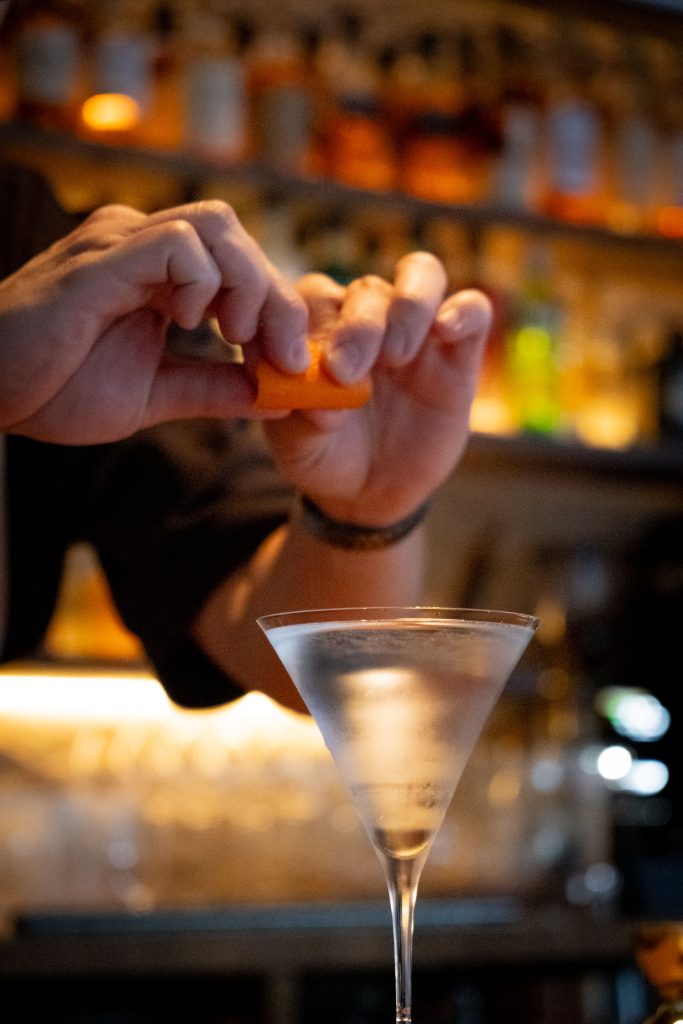
The white pith beneath citrus skin contains bitter compounds. When muddled or expressed over drinks, citrus peels contribute both aromatic oils and subtle bitterness that enhances cocktails’ complexity.
Tonic Water
The quinine in tonic water—originally added as anti-malarial medication—provides the characteristic bitterness in Gin & Tonics and related highball cocktails.
The Spectrum of Bitterness
Not all bitter cocktails are created equal. Understanding the spectrum helps you find drinks suited to your preferences.
Gently Bitter
Drinks like the Aperol Spritz or light Americano offer accessible introductions to bitterness. These cocktails balance mild bitter notes with sweetness and effervescence, making them perfect aperitifs for Singapore’s warm climate.
Moderately Bitter
The classic Negroni exemplifies moderate bitterness—pronounced enough to be the drink’s defining characteristic, yet balanced by gin’s botanicals and sweet vermouth’s richness. This middle ground appeals to those who appreciate complexity without overwhelming intensity.
Intensely Bitter
Drinks featuring Fernet-Branca or multiple bitter components challenge even experienced palates. These cocktails often function as digestifs, consumed slowly after meals to aid digestion and cleanse the palate.
Developing Your Bitter Palate
If you’re new to bitter cocktails, research suggests that regular exposure can increase tolerance and even preference for bitter flavors—a phenomenon called acquired taste.
Start Gentle: Begin with lightly bitter options like Aperol Spritz or citrus-forward cocktails before progressing to Negronis.
Understand Context: Bitter cocktails often shine as aperitifs before meals or digestifs afterward, when their palate-cleansing properties are most appreciated.
Consider Temperature: Chilled cocktails taste less bitter than room-temperature ones, making them more approachable for beginners.
Appreciate Progression: Notice how bitterness evolves throughout a drink—often mellowing as ice dilutes the cocktail and your palate adjusts.
Bitterness in Singapore’s Cocktail Scene
Singapore’s sophisticated drinking culture has embraced bitter cocktails enthusiastically. At venues like Lunì – Scent Bar & Kitchen, bartenders create signature cocktails that balance bitter elements with aromatic essential oils and complementary flavors, demonstrating how bitterness can integrate into multi-sensory experiences.
The tropical climate makes bitter, refreshing cocktails particularly appealing. Many of Singapore’s unique bars feature house-made tonics, custom amaro infusions, and creative bitter elements that reflect local botanical ingredients.
The Science of Bitter Perception
Recent research from Yale University has revealed that bitter taste perception is more complex than previously understood. Different bitter compounds activate different receptors, explaining why Campari’s bitterness differs fundamentally from coffee’s or dark chocolate’s.
This complexity means that someone who dislikes one bitter element might enjoy another. If you dislike the bitterness in one cocktail, don’t write off all bitter drinks—the specific bitter compounds might simply not suit your particular receptors.
Creating Balance with Bitterness
Professional bartenders understand that bitterness must be balanced carefully. At experiential bars in Singapore, this balance often involves:
Sweetness: Sugar, liqueurs, or sweet vermouth offset bitterness
Acidity: Citrus brightens bitter elements and adds refreshment
Dilution: Proper ice and mixing technique mellows intensity
Aromatics: Essential oils and aromatic garnishes create complexity that makes bitterness more approachable
Classic Bitter Cocktails to Try
If you’re exploring bitterness, these classics offer excellent starting points:
Negroni: Equal parts gin, Campari, and sweet vermouth—the quintessential bitter cocktail that has inspired countless variations.
Aperol Spritz: Aperol, prosecco, and soda water—a gentle introduction to bitterness with effervescence and lightness.
Old Fashioned: While not primarily bitter, the bitters and whiskey’s complexity introduce subtle bitter notes balanced by sugar.
Manhattan: Rye whiskey, sweet vermouth, and bitters create a sophisticated bitter-sweet profile.
Americano: Campari, sweet vermouth, and soda—lighter than a Negroni but with similar flavor profile.
Modern Interpretations
Contemporary bartenders are pushing bitterness into new territory. Some Singapore cocktail bars create house-made bitters featuring local botanicals, while others experiment with bitter vegetables, herbs, and even fermented ingredients to introduce novel bitter dimensions.
The integration of aromatherapy and essential oils at venues like Lunì adds another layer—certain scents can enhance or soften the perception of bitterness, creating more nuanced sensory experiences.
Conclusion: Embracing Complexity
Understanding bitterness unlocks appreciation for some of cocktail culture’s most revered creations. While sweet, fruity cocktails have their place, the sophisticated complexity that bitterness brings creates drinking experiences that engage your palate more fully and pair better with food.
Next time you visit one of Singapore’s best cocktail bars, consider ordering something bitter. Start where your comfort level dictates, but remain open to the possibility that this challenging flavor might become one of your favorites. After all, the most rewarding tastes are often those we have to work to appreciate.
