

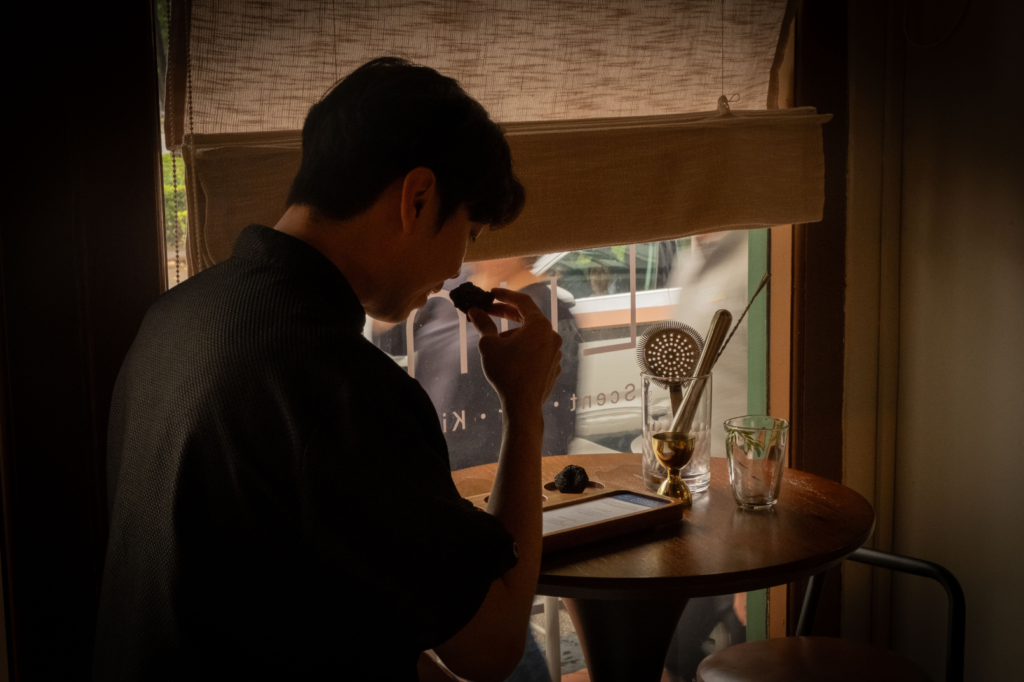
The mystique surrounding professional cocktail creation often makes it feel like an art form reserved for trained bartenders in Singapore’s best cocktail bars. Yet the truth is far more accessible: with proper understanding of fundamental techniques, quality ingredients, and a bit of practice, anyone can craft exceptional cocktails at home or learn through guided experiences. Let’s demystify the process and explore exactly how cocktail creation works—from basic techniques to the creative possibilities that await.
Understanding the Foundation: What Makes a Cocktail?
Before diving into techniques, it’s essential to understand what defines a well-crafted cocktail. According to the International Bartenders Association, a proper cocktail balances several key elements:
Spirit Base: The primary alcohol that provides the cocktail’s foundation and character.
Modifiers: Additional alcoholic components like liqueurs, fortified wines, or secondary spirits that add complexity.
Balance Elements: Ingredients like citrus juice, simple syrup, or bitters that create harmony between sweet, sour, bitter, and alcoholic elements.
Dilution: The controlled addition of water through ice, which is crucial for achieving proper texture and temperature.
Aromatics: Elements that enhance the drinking experience through scent, from garnishes to essential oils.
The Three Essential Techniques
Professional bartenders rely on three fundamental preparation methods, each serving specific purposes and creating distinct results.
Shaking: Creating Texture and Temperature
Shaking is perhaps the most dramatic cocktail technique, popularized by countless movie scenes and cocktail competitions. But beyond the theatrics, shaking serves critical functions.
When to Shake: Use this technique when your cocktail contains citrus juice, cream, eggs, or any opaque ingredient. Shaking creates the vigorous mixing and aeration these ingredients require.
This process achieves several things simultaneously:
- Rapid chilling of ingredients
- Dilution through ice melting
- Aeration that creates lighter, frothier texture
- Emulsification of ingredients that don’t naturally mix
The Science: Research from Oxford University’s Crossmodal Research Laboratory has shown that aeration significantly affects how we perceive flavor and texture, making shaken cocktails feel lighter and more refreshing than their stirred counterparts.
Stirring: Achieving Clarity and Silkiness
Stirring represents the more refined, subtle approach to cocktail creation—the technique of choice for spirit-forward classics.
When to Stir: Use this method for cocktails containing only spirits and other clear ingredients, particularly classics like Martinis, Manhattans, and Negronis. The goal is controlled dilution and chilling without introducing air.
The Science: Stirring creates a silky, viscous texture that enhances the perception of richness and complexity in spirit-forward cocktails. The lack of aeration allows subtle flavors to remain prominent rather than being overwhelmed by texture.
Building: Simplicity and Preservation
Building is the most straightforward technique, involving constructing the cocktail directly in its serving glass.
When to Build: This technique suits highball-style drinks, simple mixed drinks, and cocktails where preserving carbonation is essential.
Ingredients are added sequentially to the serving glass. Gentle stirring incorporates ingredients without excessive agitation.
The Science: Building preserves the integrity of carbonated ingredients and allows for layered flavor experiences, as different elements can be tasted in sequence rather than being fully integrated.
Learning Through Experience: Workshop Opportunities
While understanding theory provides foundation, hands-on practice accelerates learning dramatically. Singapore offers several opportunities for guided cocktail creation experiences.
The Artisan Events at Lunì- Scent, Bar & Kitchen
One of the most comprehensive cocktail education experiences available in Singapore comes through The Artisan Events, which hosts specialized cocktail workshops at Lunì– Scent Bar & Kitchen on Lavender Street.
These workshops go beyond basic mixology, incorporating aromatherapy principles and scent education alongside traditional cocktail techniques. Participants learn not just how to mix drinks but how to create complete sensory experiences—understanding how essential oils and aromatic elements can transform cocktails from simple mixed drinks into multi-dimensional experiences.
What distinguishes these workshops is the integration of Lunì’s signature scented cocktail approach with structured technical education—participants leave not just with recipes but with understanding of principles they can apply creatively.
Other Singapore Workshop Options
Several venues throughout Singapore offer cocktail creation experiences:
Hotel Bars: Many of Singapore’s luxury hotels host cocktail classes, often featuring their signature drinks and premium ingredients.
Standalone Cocktail Schools: Dedicated mixology schools offer comprehensive courses ranging from single-session introductions to professional bartending certification programs.
Private Events: Some of Singapore’s best cocktail bars offer private group workshops for corporate events, celebrations, or team-building activities.
Essential Tools for Home Cocktail Crafting
To begin crafting cocktails at home, you’ll need several key tools:
Core Equipment
- Cocktail Shaker: Boston shaker (professional choice) or cobbler shaker (beginner-friendly)
- Mixing Glass: For stirred cocktails, with sufficient capacity and weight
- Bar Spoon: Long-handled spoon for stirring and layering
- Jigger: Measuring tool for precise ingredient proportions
- Strainer: Hawthorne strainer for shaking, julep strainer for stirring
- Muddler: For crushing herbs, fruits, and aromatics
- Citrus Juicer: Fresh juice makes enormous difference in quality
Understanding Ingredients
Quality ingredients separate exceptional cocktails from mediocre ones. Understanding what to stock and how to use it is crucial.
Base Spirits
Building a home bar starts with versatile base spirits:
- Vodka: Neutral base for highlighting other flavors
- Gin: Botanical complexity, London Dry most versatile
- Rum: White for mixing, aged for sipping and spirit-forward cocktails
- Whiskey: Bourbon and rye for classics, Scotch for specialized drinks
- Tequila: Blanco for mixing, reposado for more complex cocktails
Modifiers and Liqueurs
Secondary ingredients add complexity and character:
- Dry and sweet vermouth (essential for classics)
- Orange liqueur (Cointreau, Triple Sec)
- Herbal liqueurs (Campari, Chartreuse)
- Coffee and chocolate liqueurs
- Specialty modifiers based on preferred styles
Fresh Ingredients
Never underestimate the importance of fresh elements:
- Citrus fruits (lemons, limes, oranges)
- Fresh herbs (mint, basil, rosemary)
- Quality simple syrup (or make your own)
- Bitters in various flavors
Aromatic Elements
For those interested in scented cocktails:
- Food-grade essential oils
- Aromatic garnishes
- Infusion ingredients (herbs, spices, botanicals)
The Creative Process: Developing Your Own Cocktails
Once you’ve mastered basic techniques, the creative possibilities expand dramatically.
Understanding Flavor Profiles
According to flavor science research, successful cocktails balance several taste dimensions:
- Sweet: From sugar, syrups, liqueurs
- Sour: From citrus, vinegar-based shrubs
- Bitter: From bitters, amari, certain spirits
- Umami: From savory ingredients, certain herbs
- Aromatic: From essential oils, herbs, spices
Experimentation Framework
Develop new cocktails systematically:
- Choose a base spirit
- Decide on preparation technique based on desired texture
- Select complementary flavors
- Balance sweet and sour elements
- Add aromatic dimension
- Test, adjust, refine
The Role of Scent in Cocktail Creation
Modern cocktail creation increasingly recognizes scent’s crucial role. At venues like Lunì, this understanding has evolved into a comprehensive approach incorporating aromatherapy principles.
Essential Oil Applications
When working with essential oils in cocktails:
- Always use food-grade oils specifically marked for internal use
- Start with minimal amounts (single drops)
- Understand which oils complement which spirits
- Consider delivery methods (mixed in, sprayed, aromatic garnish)
Aromatic Garnishes
Even without essential oils, aromatic garnishes dramatically enhance cocktails:
- Expressed citrus oils over the drink’s surface
- Slapped herbs releasing aromatic compounds
- Smoked or torched elements creating aromatic drama
- Fresh flowers and aromatics as visual and scent elements
Building Confidence Through Practice
Cocktail creation skill develops through deliberate practice:
Start Simple: Master basic classics before attempting complex creations.
Taste Mindfully: Pay attention to how different elements affect the final drink.
Keep Notes: Document successful ratios and combinations for future reference.
Seek Feedback: Share creations with others and remain open to constructive input.
Formal Education: Consider attending workshops like those offered by The Artisan Events to accelerate learning.
Your Cocktail Journey Begins
Understanding how cocktail creation works opens doors to a rewarding creative practice that combines science, art, and sensory pleasure. Whether you’re learning through workshops, experimenting at home, or simply developing appreciation for the craft behind your favorite drinks, the fundamental techniques remain accessible to anyone willing to learn.
In Singapore’s vibrant cocktail scene, resources abound for those seeking to develop their skills—from comprehensive workshops to world-class bars where observation alone provides valuable education.
–––––––––––––––––––––––––––––––––––––––––––––––––––––––––––––––––––––––––––––––––––––––––––––––––––––––––––––––––––––––––––––
Ready to begin your cocktail creation journey? Explore workshop opportunities at The Artisan Events or visit Lunì to experience how professional mixologists craft their signature creations.
