

There was a time — not so long ago — when ordering a “light” drink at a bar meant a vodka soda you’d apologize for. Low-alcohol was a compromise, the cocktail equivalent of decaf: technically a drink, spiritually a shrug. That era is over, and it’s not coming back.
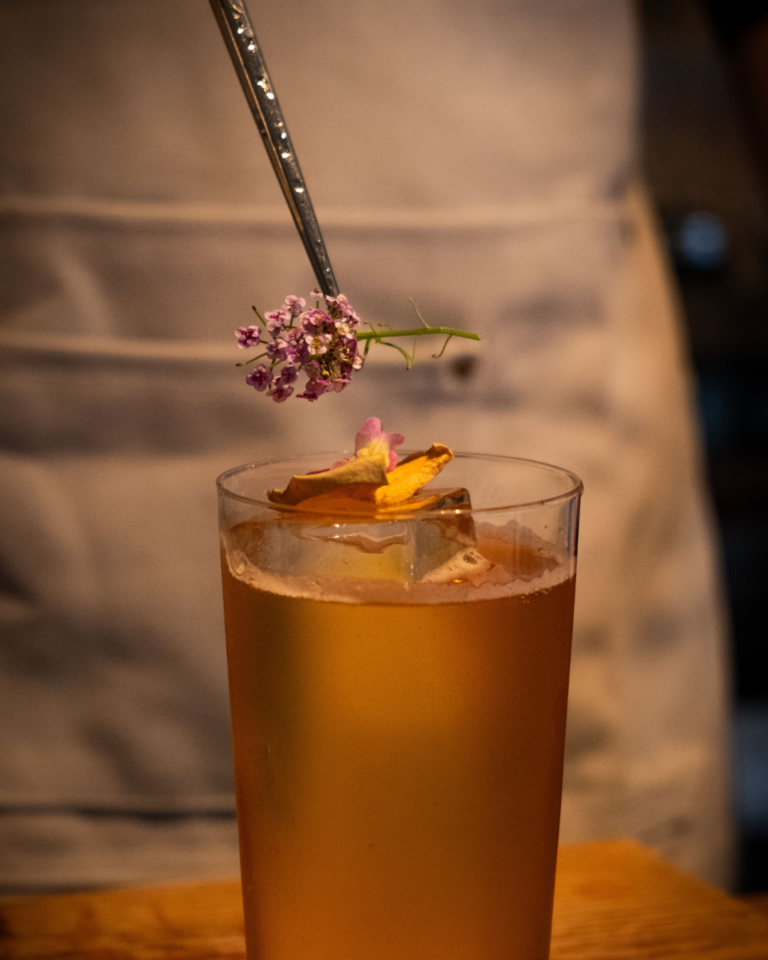
Walk into a decent bar in 2026 and you’ll find a dedicated low-ABV section on the menu, sitting there with the same confidence as the martinis and the Negronis. Bartenders aren’t diluting drinks to make them “lighter.” They’re rebuilding them from the ground up — swapping base spirits for sherry, vermouth, and amaro, playing with clarification and milk-washing, and treating a 12% ABV cocktail with the same seriousness as a 40% one. The shift has a name now: some in the industry call it the “session menu”, others “mindful moderation,” and at least one beverage director has flatly declared that low-ABV isn’t a trend anymore — it’s just how people drink.
Here’s why it’s sticking around, and where to actually go drink one.
The math finally makes sense
The appeal isn’t complicated once you spell it out. A well-made low-ABV cocktail lets you have two or three drinks over a long dinner instead of one drink and a headache. You get the ritual — the glassware, the garnish, the slow sip — without the 9pm crash. Bars have noticed this isn’t just a niche request from designated drivers and the sober-curious; it’s now a mainstream ordering pattern across the board, including from people who’ll happily order a full-strength drink later in the night.
There’s also a quieter economic story here. A lower-alcohol cocktail built on amaro or fortified wine instead of a heavy pour of gin or whiskey can actually be cheaper to make, while still commanding a full cocktail price. Restaurants have cottoned on that a thoughtful low-ABV list is good hospitality and good margin — which is exactly the kind of alignment that turns a “nice to have” into a permanent menu fixture rather than a January-only footnote.
What’s actually in the glass
The best low-ABV cocktails right now aren’t just spirits with the volume turned down. They lean on ingredients that were always built to be sipped slowly: sherry, vermouth, Lillet, Campari and other amari, plus a growing cast of fresh, low-sugar mixers like yuzu, mandarin, and mineral-forward waters that don’t just collapse into a soft drink the moment the alcohol drops out.
A few shapes keep showing up on menus:
- Spritzes, obviously — the reigning champion of low-ABV drinking, built on aperitifs rather than spirits, and still expanding well past the classic Aperol formula.
- “Half-spec” versions of classics — a Negroni or an Old Fashioned made with half the usual spirit, so the drink keeps its shape and bitterness without the full alcoholic weight.
- Sherry cobblers and vermouth-forward sours, which manage to feel indulgent while sitting comfortably under 15% ABV.
- Milk-washed and clarified serves, where technique — not alcohol content — is doing the work of making the drink feel special.
None of this is about pretending the alcohol isn’t there. It’s about giving the other 85% of the glass something interesting to do.
Singapore is already there
Singapore’s bar scene has taken to this with the enthusiasm of a city that never fully bought into the idea that flavour requires proof.
At Origin Bar in the Shangri-La,
the beverage team builds its menu around flavour and experience first, letting no- and low-ABV drinks sit on equal footing with everything else — their guava-lychee-umeshu creation is proof you can be dry, aromatic, and structurally complex without leaning on alcohol to get there.
Over at The St. Regis,
a six-percent cocktail layering tequila, jackfruit, rum, and coconut water manages to taste more considered than most full-strength drinks in the city.
And Cat Bite Club,
one of the region’s more decorated speakeasies, has quietly built a whole “mirrored” system so that its signature cocktails — tequila and rice-spirit-based, mostly — can be made alcohol-free on request without losing their texture or nerve.
Southbridge,
the rooftop bar perched above a restored shophouse near Boat Quay, runs a dedicated low-ABV section alongside its coolers and long drinks, which tells you this isn’t confined to any one type of venue — hotel bars, rooftop spots, and hidden speakeasies are all doing it at once.
Lunì
has taken the format a step further with The Light, a six-cocktail menu built entirely around lower-alcohol, signature aromatic drinks — the kind of list that treats scent as seriously as spirit. Sencha Miyazaki and Lychee Jasmine lean into green tea and floral top notes, Strawberry Matcha Cream and Hwachae 2.0 go softer and more dessert-adjacent without tipping into syrupy, and Bloom12 and Crimson Mary round things out with something closer to a savoury, aromatic edge. It’s a tidy demonstration of the same principle everyone else on this list is chasing: strip out the alcohol’s usual job of carrying the drink, and something else — in this case, scent — has to step up and do the work instead.
Where this leaves the rest of us
None of this is an argument against a proper spirit-forward martini — the purists aren’t going anywhere, and honestly, more power to them. What’s changed is that low-ABV has stopped being the fallback option you order when you’re “being good.” It’s now a genuine category, with its own techniques, its own menu real estate, and its own reason for existing beyond abstinence.
The bars getting this right aren’t the ones that slapped “0% available” at the bottom of the menu in small print. They’re the ones treating the low-ABV list as its own creative problem — one with real constraints, and real room to be interesting inside them. Dry January was never really the point. The point is that a drink can be worth savoring at 12% just as much as at 40%, and increasingly, bartenders are betting their whole menu on that being true.
